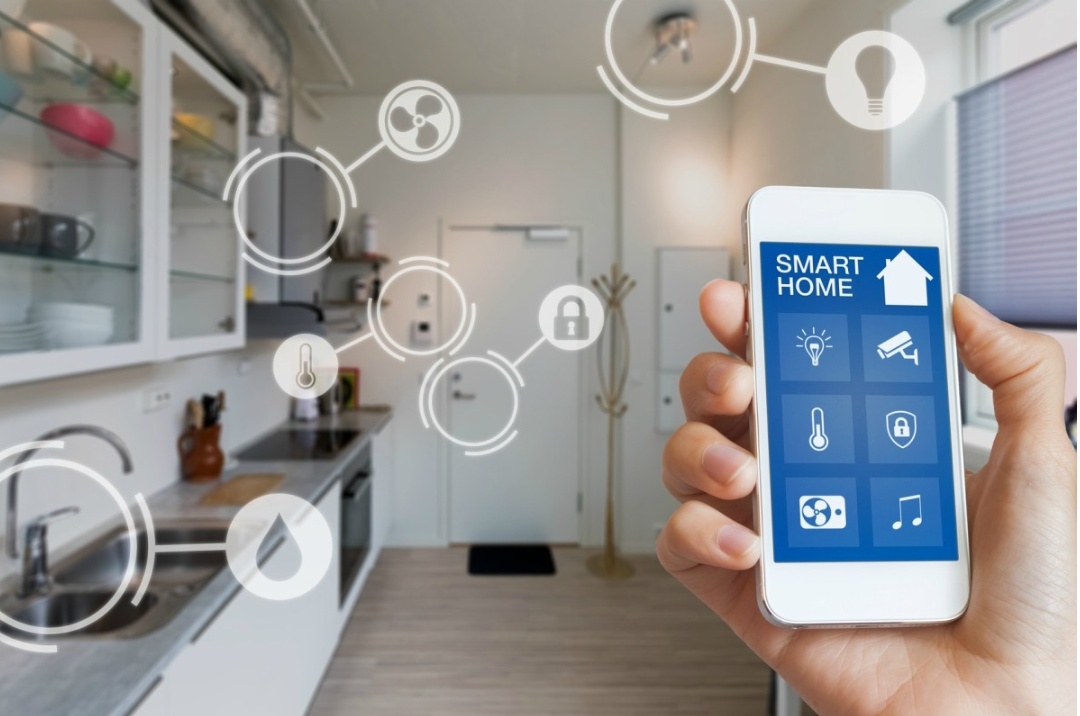
Most of us have left a room with the lights still blazing or cranked the heating up only to forget about it for hours. These small habits add up—and your energy bill tells the story. Home automation is changing that, giving homeowners smarter ways to manage energy use without the constant mental load of remembering to switch things off.
This post breaks down how home automation systems work to cut energy waste, which devices make the biggest difference, and what you can realistically expect when you start automating your home.
What Is Home Automation, Really?
Home automation refers to the use of smart devices and systems to control household functions—lighting, heating, cooling, security, and more—automatically or remotely. These devices connect through a central hub or app, letting you schedule routines, monitor usage, and respond to real-time conditions.
The energy-saving potential isn’t just about convenience. It’s about precision. Automated systems only use energy when and where it’s needed.
Where Home Automation Makes the Biggest Difference
Smart Thermostats
Heating and cooling account for nearly half of a home’s total energy use. A smart thermostat learns your schedule and adjusts the temperature accordingly—warming the house before you wake up and dialing it back when you leave for work.
Unlike traditional programmable thermostats, smart versions adapt over time. Some can even detect when the house is empty and switch to an energy-saving mode automatically.
Smart Lighting
Leaving lights on in empty rooms is one of the most common—and easily fixed—sources of wasted energy. Motion sensors, automated schedules, and remote control through your phone mean lights only run when someone is actually in the room.
Pair smart switches with LED bulbs, and the savings compound quickly.
Smart Plugs and Power Strips
Many appliances draw power even when switched off—a phenomenon known as “phantom load” or standby power. Smart plugs let you cut power to these devices entirely on a schedule or via your phone. Over a year, this can shave a noticeable amount off your electricity bill.
Automated Window Treatments
Motorized blinds and shades can open or close based on the time of day or sun position. In summer, closing them during peak sunlight reduces the heat load on your air conditioning. In winter, opening them during the day lets natural warmth in. It’s a passive but effective energy strategy.
Real Benefits Beyond the Bill
The financial savings are compelling, but the shift in how you relate to your home is worth mentioning too. Home automation gives you visibility—most systems show real-time and historical energy data, so you can see exactly where power is going.
That awareness tends to change behavior. When you can see that your old fridge is pulling twice the energy of everything else combined, the decision to upgrade becomes a lot easier to make.
There’s also the convenience factor. Managing your home’s energy use no longer requires constant attention. You set the rules once, and the system handles the rest.
Getting Started Without Overwhelming Yourself
You don’t need to automate everything at once. A single smart thermostat or a few smart plugs is a practical starting point. From there, you can expand as your budget allows and as you learn what makes the biggest impact in your specific home.
Look for devices that work with a common platform—Google Home, Amazon Alexa, or Apple HomeKit—so everything communicates seamlessly as your setup grows.
Is Home Automation Worth It?
For most homeowners, the answer is yes—especially if energy costs are a concern. The upfront investment in smart devices is typically recovered through lower bills within one to three years, depending on usage and local energy rates.
Beyond the payback period, you’re left with a home that runs more efficiently, requires less day-to-day management, and generates less waste overall.
Start Small, Think Long-Term
Home automation works best when approached as an ongoing project rather than a one-time setup. Start with the devices that address your biggest energy draws, track the results, and build from there. Over time, the small changes stack up into something meaningful—both for your wallet and your environmental footprint.